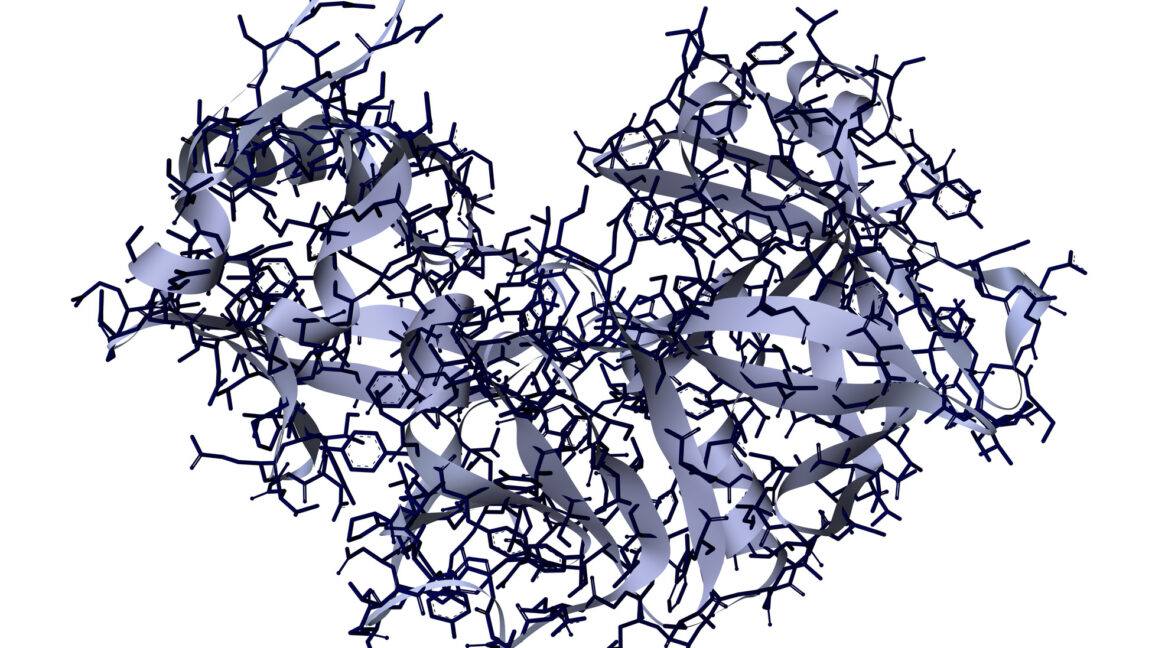
They extracted the catalytic cores of two known protease types—a zinc dependent protease and a cysteine protease—and replaced the surrounding protein architecture with AI generated sequences.
AI‑tabanlı Protease Tasarımı
Peptide bonds, which link amino acids in proteins, are exceptionally stable; in isolation they have an estimated half‑life of several hundred years. In biological systems, cells rely on a limited set of enzymes called proteases to accelerate the cleavage of these bonds. The research team essentially bypassed the natural evolutionary diversification of proteases by using AI to redesign the catalytic center while keeping the rest of the molecule synthetic.
Peptid Bağının Kararlılığı ve Enzim Gereksinimi
The zinc protease mechanism relies on a zinc ion that coordinates the peptide bond, activates a water molecule and facilitates proton transfer to break the bond. In the cysteine protease mechanism, a cysteine residue within the enzyme forms a transient covalent intermediate with the substrate, which is then resolved by water to release the cleaved product. Both mechanisms depend on a handful of precisely positioned amino acids in the catalytic core, while surrounding residues help orient these key players and can influence substrate specificity.
İki Proteaz Mekanizması
By adjusting the non‑catalytic portions of the designed enzymes, researchers could tune the selectivity of the proteases toward particular protein sequences. They demonstrated this capability by applying the AI‑generated proteases to substrates associated with neurological diseases, observing efficient cleavage of the target proteins. This work shows how computational design can produce bespoke enzymes for specific biochemical tasks.





Yorumlar (0)
Henüz yorum yok. İlk yorumu siz yazın.