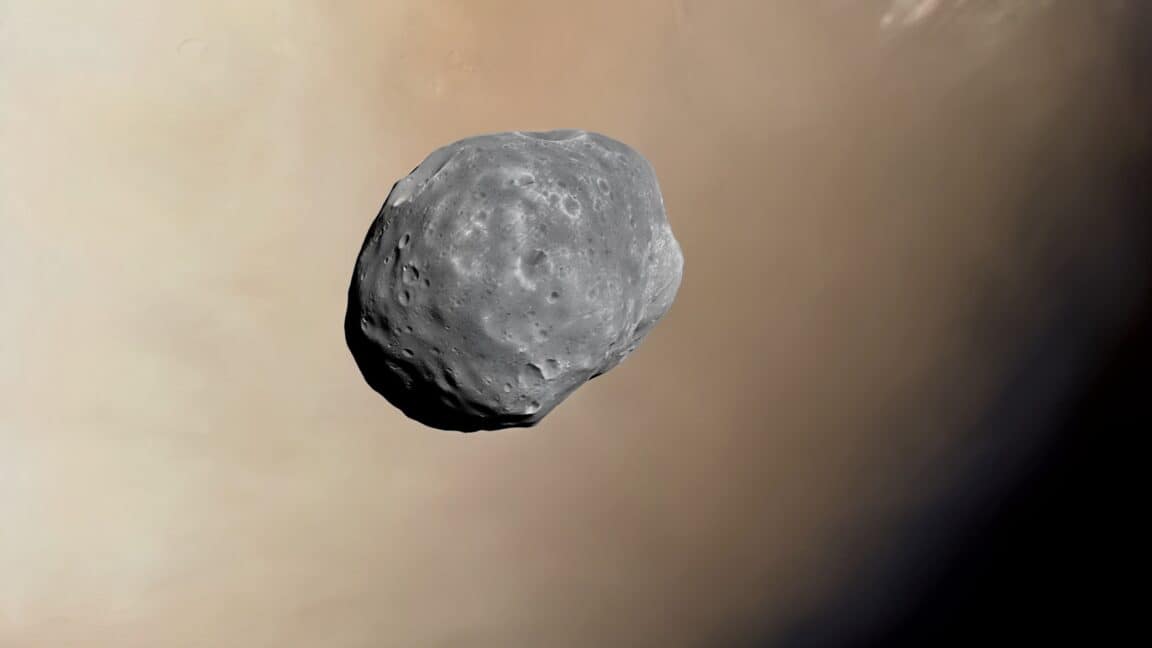
The 4‑million‑dollar project, launched aboard a 207‑foot H3 rocket with four solid‑fuel boosters and a reinforced payload shroud, achieved Earth escape velocity and reached Mars in ten months. The nearly 9,900‑pound (4.5‑metric‑ton) craft separated from the rocket 71 minutes after liftoff, unfurled its solar panels, and entered a stable orbit around Mars. Yasuhiro Kawakatsu, MMX project manager, reported “so far, so good.” Japan Aerospace Exploration Agency president Hiroshi Yamakawa called the launch a success, noting the five‑year mission’s start. Japan’s science minister Yoshihiro Seki highlighted the mission’s potential to advance national space science and technology. MMX builds on Japan’s Hayabusa successes, aiming to determine whether Phobos is a captured asteroid. The spacecraft will spend roughly three years around Mars, conducting encounters with Phobos and Deimos before deploying its landing module to Phobos for sample collection. The mission also involves NASA and European space agencies, reflecting Japan’s reputation for reliable deep‑space sample returns.
Launch details and spacecraft specs
The MMX launch used the H3 rocket’s upgraded configuration, including four strap‑on boosters and an extended payload shroud. The rocket’s upper stage accelerated MMX to speeds exceeding 24,000 mph, enabling Earth escape. The spacecraft’s mass is 4.5 metric tons, two‑thirds of which is propellant.
Mission objectives and international collaboration
MMX’s primary science goal is to retrieve samples from Phobos to test the hypothesis that the moon is a captured asteroid. Japan’s history with Hayabusa and Hayabusa‑2 missions underpins confidence in the project. International partners include NASA and European agencies, who joined the mission due to Japan’s proven track record in sample‑return missions.
Timeline and future operations
MMX is scheduled for a 2029 climax, when it will attempt up to two landings on Phobos. After arriving at Mars in August, it will spend about three years conducting encounters with Phobos and Deimos before deploying its landing module. The mission’s final phase will involve Phobos sample collection and return to Earth.





Yorumlar (0)
Henüz yorum yok. İlk yorumu siz yazın.